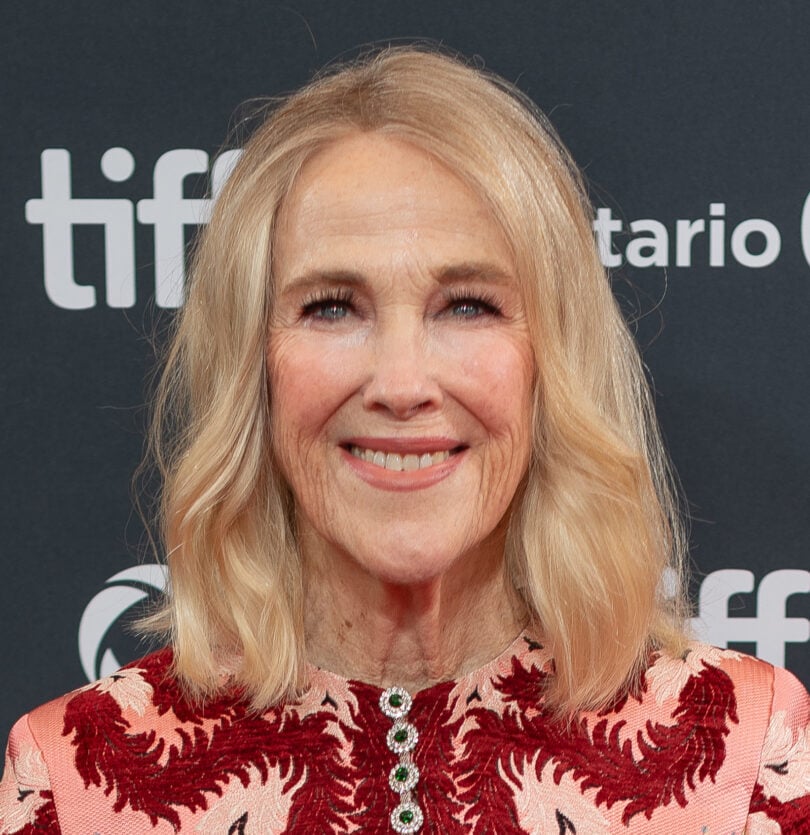
News of Catherine O’Hara’s death came as a shock. Many people feel the well-known Canadian actress died too soon and are grieving and remembering her work.
O’Hara worked in many films and TV shows. You may remember her from Home Alone and Home Alone 2. She also appeared in The Last of Us and The Studio and starred in Schitt’s Creek for six seasons and won an Emmy.
What caused her death
Her death certificate confirms the cause of her death on January 30, 2026, as a blood clot in her lungs, which doctors call a pulmonary embolism.
The report also shows she had rectal cancer for which O’Hara began treatment in March 2025. She died at age 71 in a hospital in Los Angeles.
What a clot in the lungs means
Pulmonary embolism is a term many people don’t know so we asked two doctors at St. Paul’s Hospital to explain what it means and what signs to watch for.
Dr. Tony Wan is a thrombosis specialist who treats patients with blood clots. He knows how clots form and how they cause a pulmonary embolism. He works in the St. Paul’s Hospital Thrombosis Clinic and is part of Thrombosis Canada.

Dr. Wan says many people don’t know that cancer can raise your risk of a dangerous blood clot. Last year, Thrombosis Canada surveyed cancer patients across Canada and awareness of blood clot risk was very low.
“If you have cancer, your risk of a blood clot is high, and many patients don’t know that,” he says. “Many patients don’t know the warning signs of a blood clot, and that delay can be dangerous.”
Dr. Wan says a pulmonary embolism happens when a clot blocks a blood vessel in your lungs.
“Blood clots often start in the leg, usually in one calf, with redness, swelling, and pain. A clot in the leg is called deep vein thrombosis. When that clot travels to the lung, we call it a pulmonary embolism.”
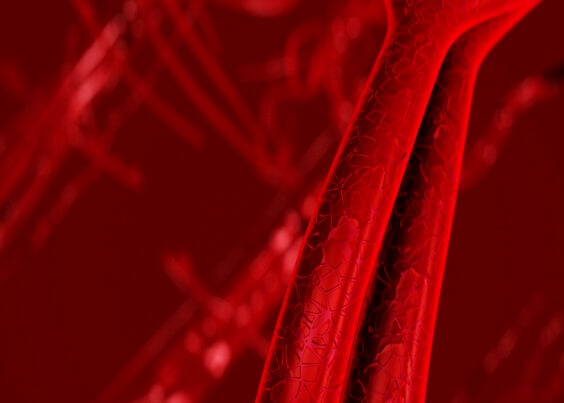
If a clot moves to the lungs, the signs can change fast. “Patients may feel chest pain, shortness of breath, or even cough up blood,” Dr. Wan says. “Blood clots can become serious within hours, so speed matters.”
To help patients remember symptoms, Thrombosis Canada created a simple reminder called CLOTS. Each letter stands for a symptom.
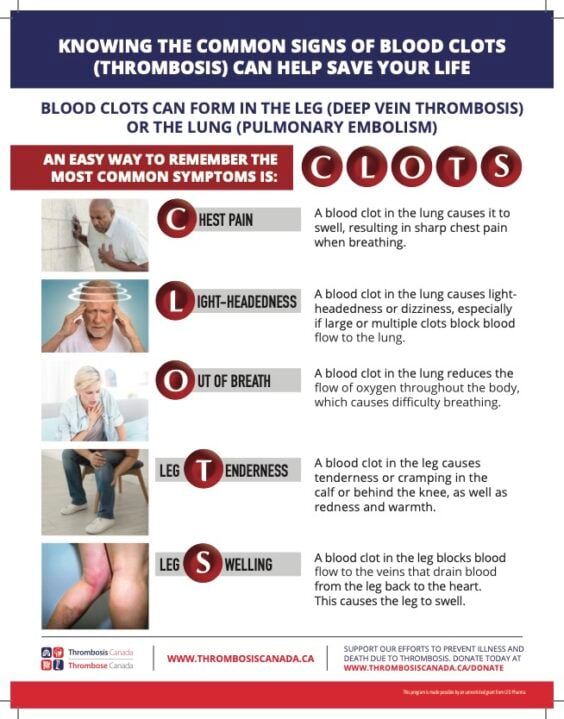
If you or someone with you suddenly has trouble breathing or chest pain, act fast and get help right away.
How cancer can raise clot risk
Catherine O’Hara lived with rectal cancer.
Dr. Terry Phang is a colorectal surgeon who treats rectal cancer, performs rectal cancer surgery, and helps patients with long term care. Dr. Phang says we need more information before we make conclusions about what led to O’Hara’s death.
“We don’t know if rectal cancer caused her death. Sudden death often relates to a clot that reaches the lungs rather than cancer that spreads slowly,” he says.
Dr. Phang says cancer can raise your chance of blood clots.
“Cancer can make blood easier to clot. Treatments like radiation, chemotherapy, and surgery can also raise clot risk,” he says.
Dr. Wan adds that people with cancer may have surgery, spend time in hospital, and move less, which all increase clot risk.
“All cancers increase your risk of blood clots, but some cancers carry a higher risk than others,” Dr. Wan says. “Rectal cancer sists somewhere in the middle in terms of clot risk.”
Steps you can take
Both doctors agree that early detection and treatment of blood clots can save lives for cancer patients. If you live with cancer, talk with your care team about clot risk and warning signs.
“Blood clots are the second leading cause of death in cancer patients. About one in five patients will develop one during their cancer journey,” Dr. Wan says.
If a clot is caught early, it can be treated with blood thinners. You can take tablets or have injections at home, and the medicine breaks down the clot over time. Early treatment often means no hospital stay and fewer serious problems.
Thrombosis Canada provides easy to read information on their website to help you learn about risks and signs.
“This is a tragic story, but we can use it to help other patients learn the signs and protect themselves,” Dr. Wan says.
Story by Marcelo Dominguez, Providence Health Care