What’s one simple change people can make to support immediate and long-term physical, mental and environmental health?
“Adding more fruits and vegetables to our plates in delicious ways,” says Providence Health Care registered dietitian Karen Giesbrecht.
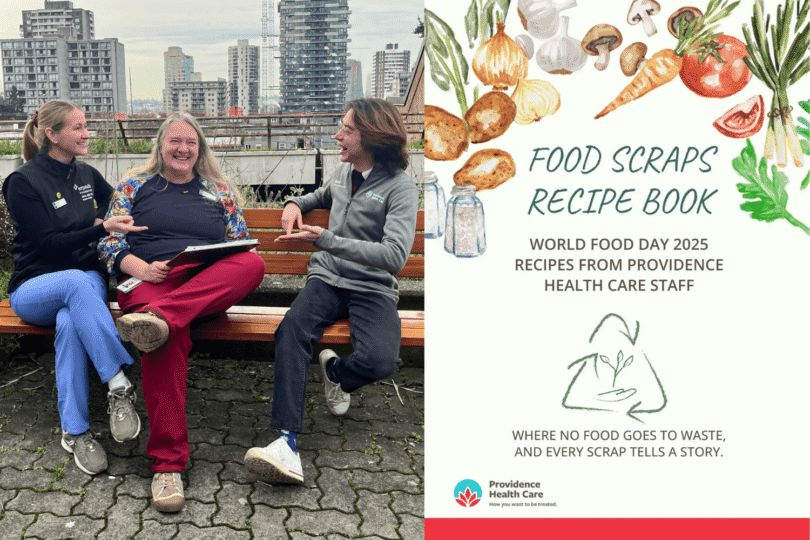
Giesbrecht is co-lead of the Environmental Stewardship Team’s Food Working Group at Providence. To promote sustainable food choices and reduce waste, the group recently introduced the Food Scraps Recipe Book, a collection of recipes and tips for using up leftovers, peels, stems and scraps that often get thrown away.
In line with Providence’s Planetary Health Strategy, the book features contributions from dietitians and other Providence staff, offering creative ways to reimagine food and honour the planet.
Why using food scraps matters
Some of the perishable foods tend to have the most nutrients. Including fruit and vegetable scraps in home-cooked meals can help lower grocery bills, says Giesbrecht.
“Transportation and packaging waste affects the environment. Food waste contributes significantly to greenhouse gas emissions.”
And production often requires a lot of labour. “We want to honour the time and effort put into growing, transporting and preparing food,” she adds.
Best-before date and food tips
Better awareness of best-before dates can minimize waste. Food that’s close to or a bit past its best-before date isn’t necessarily bad, says Giesbrecht.
“Examine it, smell it, give it a little taste. Often, we can still eat this food.”
Vegetable scraps can add flavour to future meals. “Save carrot, celery and onion scraps for stock, chop and freeze them until you have enough for a soup or broth,” says Giesbrecht.
In addition, the first-in, first-out approach keeps food fresh. “Whatever goes in your fridge first, older things, use them up first. We can easily practise this in our homes.”
Smart, low‑waste recipes
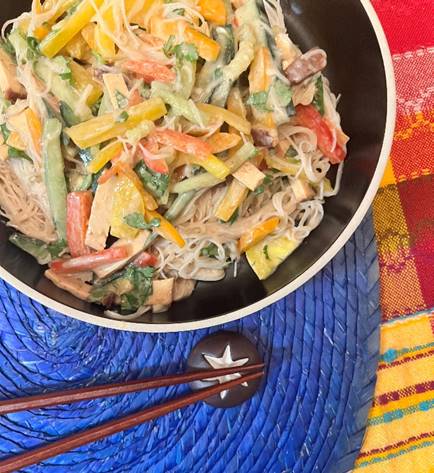
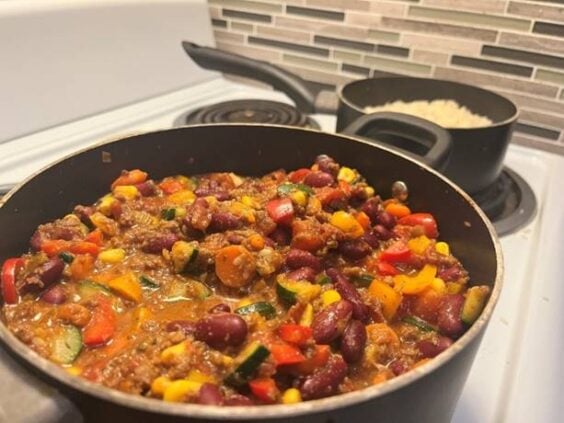
Popular recipes from the book include the Carrot Top Basil Pesto, Zero Waste Green Juice, and Aquafaba Chocolate Mousse. The Zero Waste Wisdom Bundle encourages people to “shop” their own fridges before heading out for more groceries.
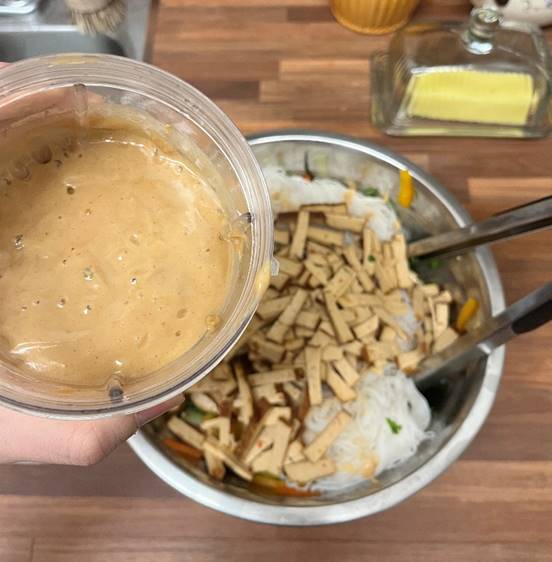
Featured in multiple recipes, aquafaba, or chickpea water, stands out for its versatility.
“When you open a can of chickpeas, you can use the water as a substitute for egg whites or to make mashed potatoes fluffy,” says recipe contributor Ernesto Vazquez, who is a clinical nutrition assistant at Providence and co-lead of the Food Working Group.
Little changes, big impact
Eliminating avoidable food waste could feed more than 17 million people each year, according to Canadian food rescue organization Second Harvest. The organization estimates the value of that waste could cover the yearly grocery bills of 3.7 million Canadian families.
While rescued food isn’t the answer to food insecurity, it can be part of the solution. “Food needs to be culturally appropriate. If we make little changes at every level, it adds up, helping us eat well and eat better,” says Giesbrecht.
“When we are nourished, we are healthier, make fewer visits to the hospital, and our mental health is better. We heal faster.”