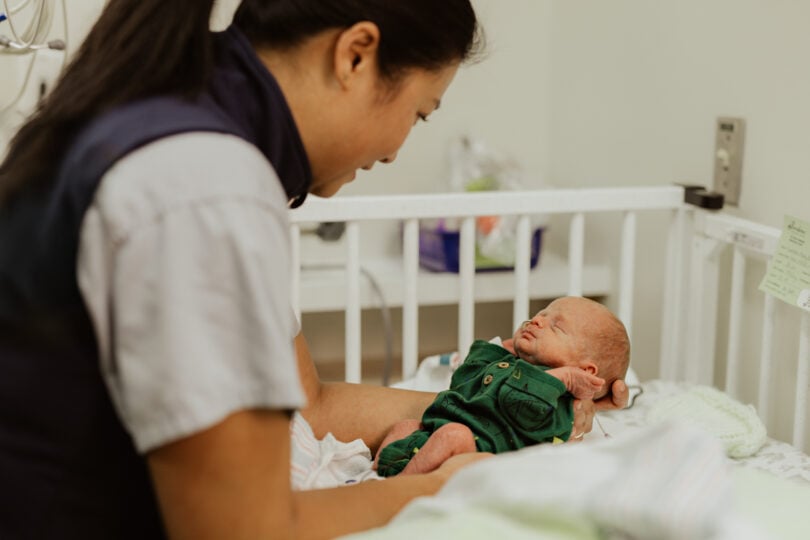
Every day at St. Paul’s Hospital, staff care for babies who need extra help at birth. Some babies arrive early, or very small, too sick or not ready to breastfeed right away. When a parent’s own milk isn’t yet ready or not available, donor milk helps keep these babies fed and stable while they grow stronger.
On May 19, Human Milk Donation Day gives families, staff, and the public a chance to learn why donated milk matters and how it supports newborn care across B.C.
A parent story from the NICU
“Our eldest, Hannah, was born seven weeks early and needed care in the NICU,” says Miranda Massie, a parent whose two children received donor milk at BC Women’s Hospital before being cared for at St. Paul’s.
“I wanted to breastfeed, but my milk hadn’t come in yet. The nurses talked with us about donor milk during a very overwhelming time.”
Miranda says she and her partner knew breast milk was important for premature babies.
“We knew breast milk helps with immunity and growth, especially for babies born early,” she says. “We wanted to give our baby as much support as we could right from the start.”
Needing donor milk brought about mixed feelings.
“I felt sad and a bit guilty that I couldn’t feed her myself right away,” Miranda says. “At the same time, it was comforting to know she could still receive breast milk, even though it wasn’t mine.”
She says her care team explained each step.
“They told us donor milk comes from mothers who have extra milk and choose to donate. They also explained how donors are screened and how the milk is checked so it’s safe for babies,” she says.
That information helped her trust the care.
“Knowing our baby was receiving donor milk gave us a sense of control when she was in the NICU and we felt helpless.”
Miranda later had another premature birth. This time, the decision felt clear.
“When our second baby, Molly, was born early last month, we said yes to donor milk right away,” she says. “My milk came in a few days later, but donor milk helped bridge that gap.”
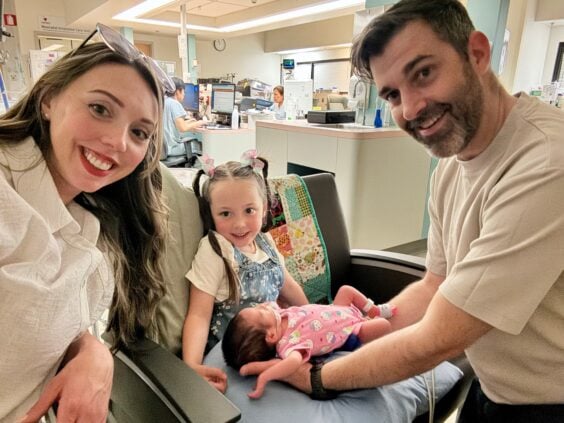
Donor milk is part of daily care
Babies at St. Paul’s receive donor human milk every month and every year. Staff use it in both the Pregnancy, Birthing and Newborn (PBN) unit and the neonatal intensive care unit (NICU). It’s part of normal newborn care when feeding is delayed or difficult.
“We use donor milk because babies need support right away,” says Andrea Firmani, a clinical nurse educator at St. Paul’s. “Donor milk helps keep babies stable when feeding is delayed or difficult. That early support can make a real difference for newborns.”
St. Paul’s became a Baby Friendly Hospital in 2023. Staff follow best practices for infant feeding. A parent’s own milk comes first but when that’s not possible, pasteurized donor milk is the next choice.
Why donor milk matters for premature babies
Donor milk helps babies with many health needs. This includes babies born early, babies with low blood sugar, jaundice, or babies who need more support with feeding.
Donor milk also helps families who plan to breastfeed. It gives parents time to build their own milk supply.
“In a lot of cases, donor milk gives families breathing room,” says Firmani. “It lets parents rest, recover, and bond with their baby without added pressure.”
How milk banks keep donor milk safe
The milk used at St. Paul’s comes from the BC Women’s Provincial Milk Bank. The milk bank follows national standards for safety and handling.
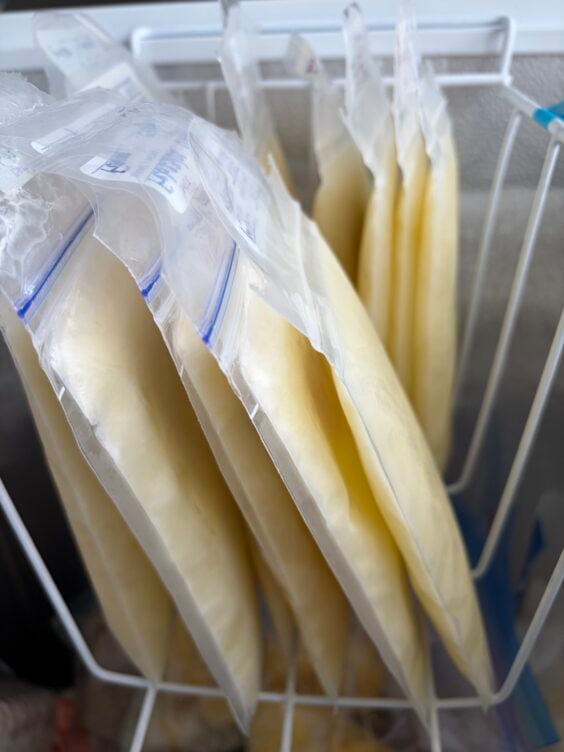
Donors are screened. Milk is pasteurized, tested, frozen, and labeled before delivery. Hospital staff thaw and measure donor milk just like medication. Each step helps protect fragile babies.
“Staff handle donor milk with the same care as all medical supplies,” says Firmani. “It helps protect babies born early from serious gut illness. It also lowers health risks for babies who need extra care.”
Donor milk is used every day
Donor milk is always needed. In 2025 alone, the hospital used more than 157,000 milliliters of donor milk. That equals over 2,600 small bottles given to newborns who needed support.
“The hospital relies on donor milk,” says Firmani. “Without it, some babies would face more medical stress in their first days.”
The BC Women’s Provincial Milk Bank serves every neonatal intensive care unit in the province and supports maternity care in some hospitals. Supply often matches demand, which means every donation counts.
A donor’s story
Emily Fang is a nurse at St. Paul’s Hospital and a new parent. She has worked in the NICU and PBN unit for 10 years. She’s seen how donor milk helps sick and premature babies.
“I’ve seen the benefit of the donor milk for many years and always knew that if I was one day breastfeeding, I would try to donate to the milk bank.”

She says staff guide donors through each step.
“They walk you through the whole process. The expression of interest form on the website is quick and easy. Then they will follow up and ask questions by phone, send a survey by email, and give you instructions for blood work through your doctor.”

“I feel happy to be able to contribute to the milk bank. I’m familiar with the ups and downs of establishing your milk supply and starting your breastfeeding journey. When a baby is sick or premature, the challenges are compounded. By donating, in addition to helping the babies, I feel like my extra pump is a small gesture of solidarity with the NICU mom who pump around the clock and all the families hwo need and use the milk bank.”
Her advice for people who are thinking about donating is simple.
“My recommendation is to add one pump a day and see what happens. If you collect enough, you can start the process. If not, there’s no pressure.”
How you can donate breast milk in B.C.
If you breastfeed and have more milk than your baby needs, you may qualify to donate. You complete a screening process and staff review your health history. Many people can donate.
Donor milk stays in the public health system. It helps babies when families need support and time.
Human Milk Donation Day on May 19 invites you to learn and ask questions. You can find details through the BC Women’s Provincial Milk Bank.
Your milk can help babies through their first days of life.
Story by Marcelo Dominguez, Providence Health Care