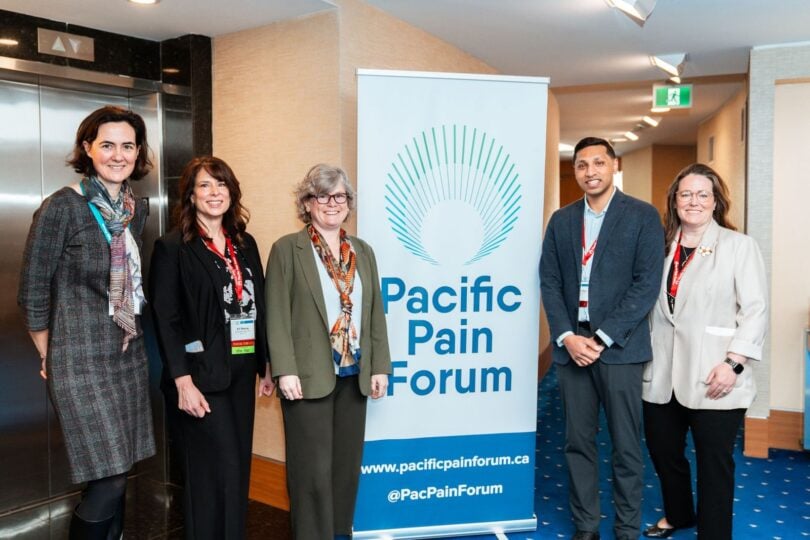
On April 17, around 280 pain specialists, health workers, and people with lived experience met at the Sheraton Vancouver Wall Centre for the fourth annual Pacific Pain Forum.
The forum focused on compassionate and trauma-informed care and how stigma and inequity affect pain care. The goal was to help you understand pain better and improve how care is delivered.
Speakers talked about how pain care improves when people feel heard, safe, and respected.
Pain in daily life
Chronic pain affects one in five people in Canada. It touches families, workplaces, and communities. Pain is one of the main reasons people seek emergency care in Canada and the United States.
What speakers shared about care
Speakers explained how stigma can worsen pain and block access to care. They showed that good care starts when you feel respected and believed.
Speakers also discussed Indigenous cultural safety and the need to improve care for people who have faced unfair treatment. They emphasized listening, trust, and relationship-building.
Dr. Vishal Varshney and PJ Matras opened the event. They welcomed participants from Canada, South Africa, and Australia. They noted the forum took place across from St. Paul’s Hospital in its final year before moving, a moment that marked change while respecting history.
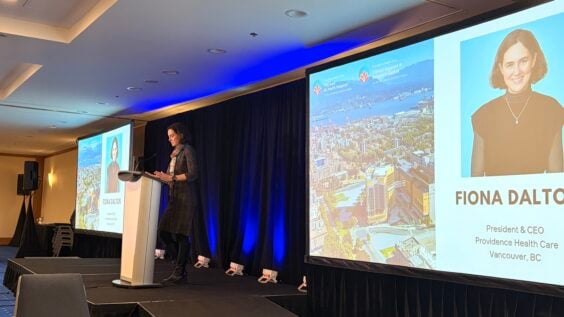
They introduced Fiona Dalton, President and CEO of Providence Health Care, who spoke about leadership, compassion, and steady improvement in pain care.
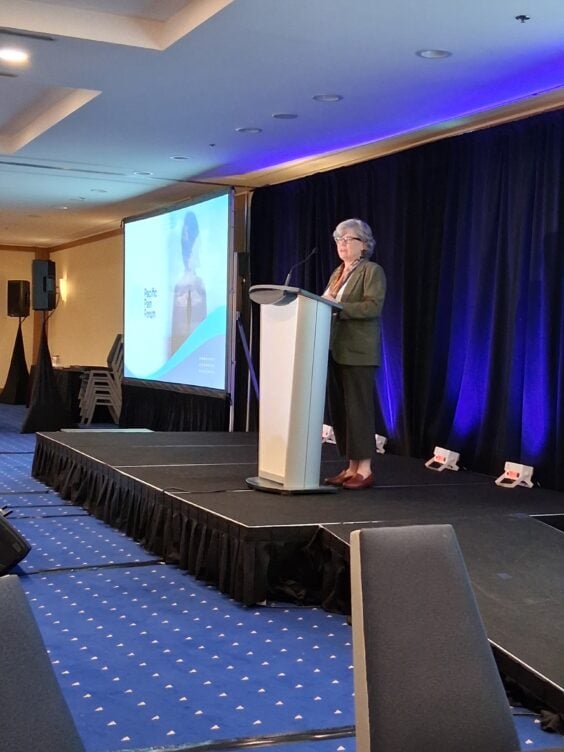
Fiona welcomed the Honourable Josie Osborne, BC Minister of Health. The Minister spoke about the need to talk openly about pain and trauma. She said chronic pain is a leading reason people seek medical help and affects government planning.
Indigenous voices in health care
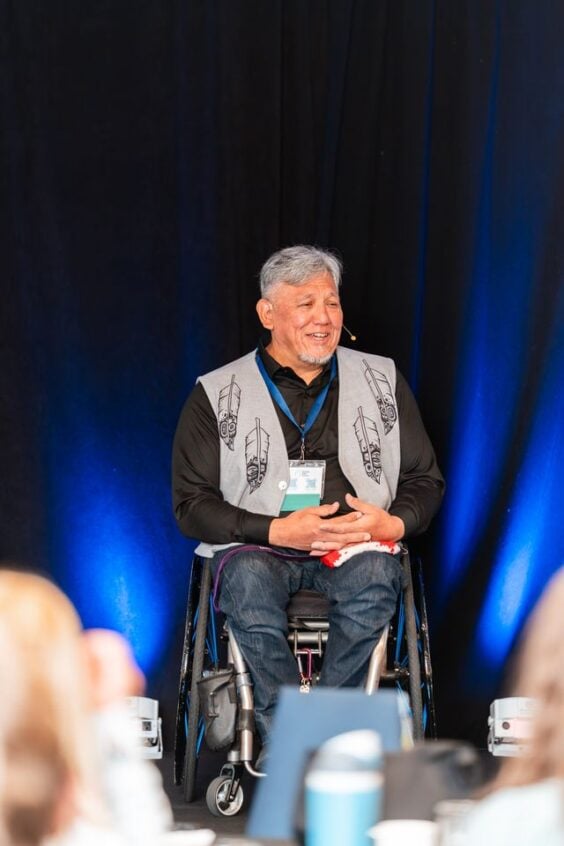
Opening keynote speaker Richard Peter, an Indigenous Paralympian with a spinal cord injury, spoke from lived experience. He spoke about trust, safety, and respect and described barriers Indigenous people still face. He explained how working directly with Indigenous communities can improve care and shared how sport supports young Indigenous athletes.
Learning through workshops and debate
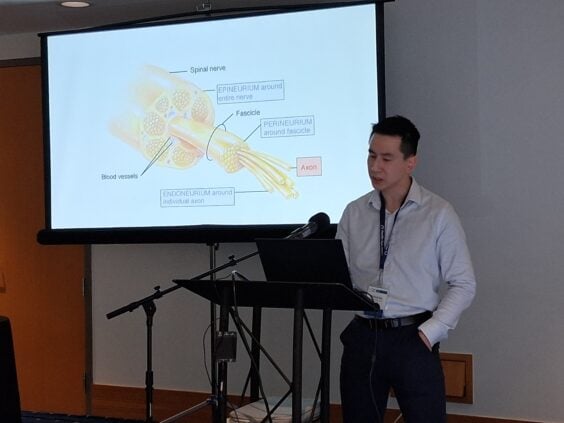
The morning continued with workshops. Topics included trauma-informed care and how trauma affects the brain and body. One session explained cryoneurolysis and cold-based treatment.
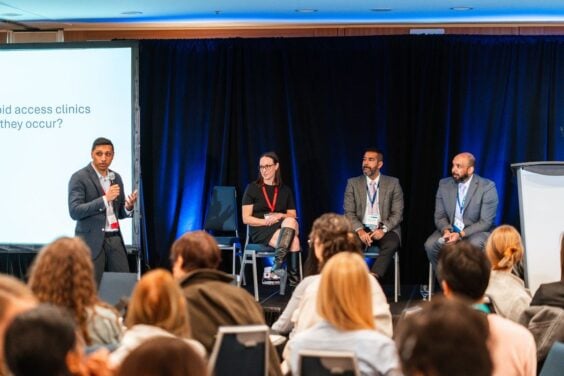
A debate followed with Dr. Kshitij Chawla and Dr. Gary Palak on community-based versus hospital-based care. The discussion showed pain care works best when systems connect.
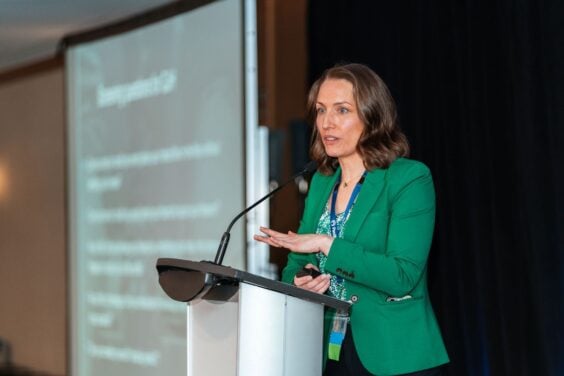
Later, Dr. Melanie Noel spoke about how pain and trauma can pass across generations. She explained how childhood pain often connects with mental health and why care improves when pain and mental health services work together.
Treating pain with the person in mind
Afternoon talks focused on how people experience pain differently. One session explained joint hypermobility and how autism or ADHD can affect pain.
Another session covered trigeminal neuralgia, a severe facial pain disorder, and treatment options.
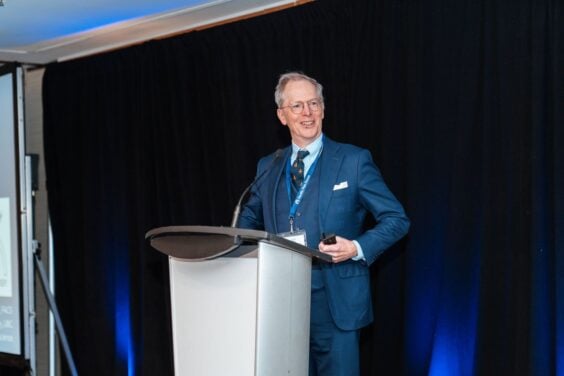
Later workshops explored how the brain and nervous system respond to pain. Topics included safety and co-regulation, psychodynamic views of trauma, and psychedelic-assisted therapy. These sessions invited you to think differently about pain care and how healing may change over time.
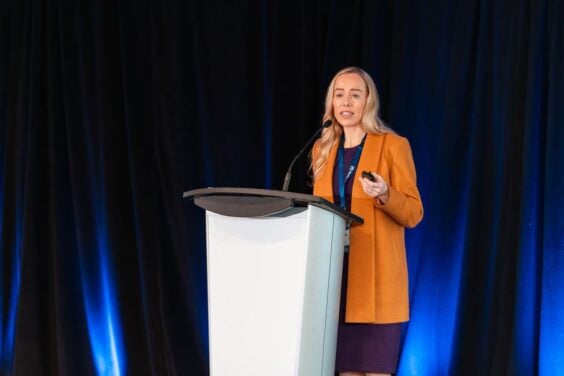
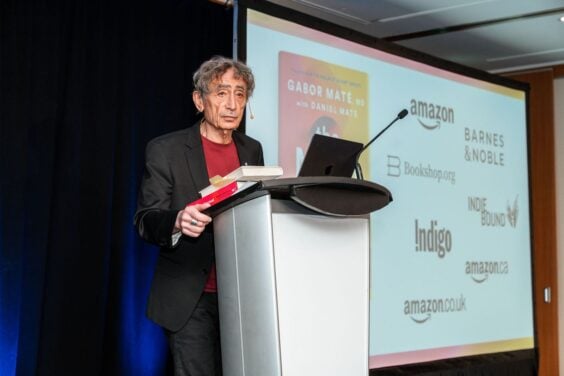
Dr. Gabor Maté closed the forum with the final keynote. He spoke about stress, illness, and how society affects health. He explained that health care often separates emotions from the body and people from their surroundings. He described how social pressure, and unmet needs can influence chronic illness, and his message connected many of the ideas shared throughout the day.
What the forum left behind
The Pacific Pain Forum doesn’t solve pain. It creates shared understanding. It honours lived experience, places compassion alongside science, and aligns with Providence Health Care’s focus on dignity, respect, and connection.
Story by Marcelo Dominguez, Providence Health Care