When you live with kidney disease, food can feel confusing. You might leave a clinic visit with good advice. Then you get home, open the fridge, and wonder, “What can I eat?”
This guide can also help people living with other chronic conditions, such as heart disease or diabetes. Many of the same food basics apply.
Why eating can feel confusing
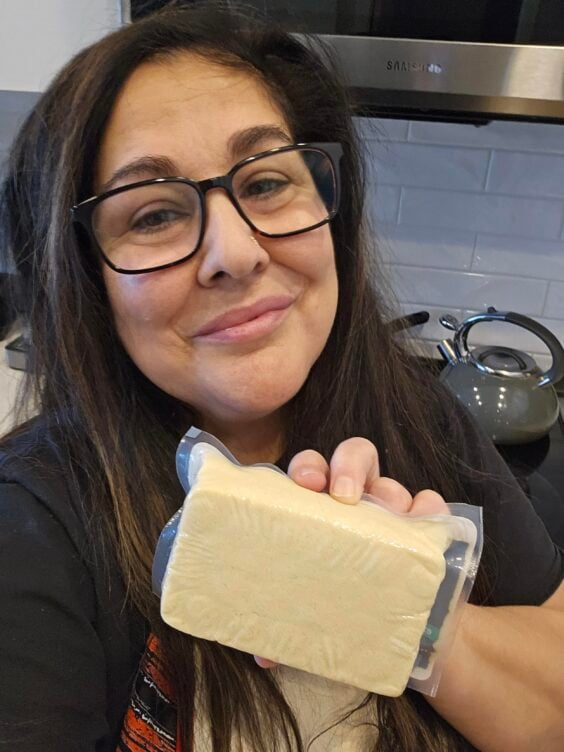
Tamara Graham knows this feeling. “I have stage four kidney disease,” Tamara says. Her condition started in 2015. Doctors think a strep infection caused her kidneys to decline.
“When my kidney function reached a GFR of 21, I was referred to the kidney care clinic.”
Understanding your kidney test
GFR means Glomerular Filtration Rate. It’s a lab test that shows how well your kidneys work. It estimates how much blood your kidneys filter each minute.
A GFR of 90+ is normal. A lower GFR means your kidneys aren’t working as well. A GFR of 21 means advanced Stage 4 chronic kidney disease, hovering above kidney failure.
“At the kidney care clinic, I see a doctor, a nurse, a social worker, and a dietitian in one visit,” she says.
That care helps. But food advice can still feel hard to use at home. Patients may hear many messages at once. Eat less salt. Think about protein and fibre. Watch processed food. Cook at home.
“The hardest part is putting all the food advice together and taking the time to cook,” Tamara says.
“Before my diagnosis, I didn’t eat that well. I ate processed foods and a lot of meat,” she says. “After my diagnosis, I tried to go vegan right away because I heard plant-based eating could slow kidney disease. It took years before I figured out how to properly follow a plant-based diet.”
The missing step after the clinic
Tamara’s story shows a gap. Patients get advice but they also need help to use it in daily life.
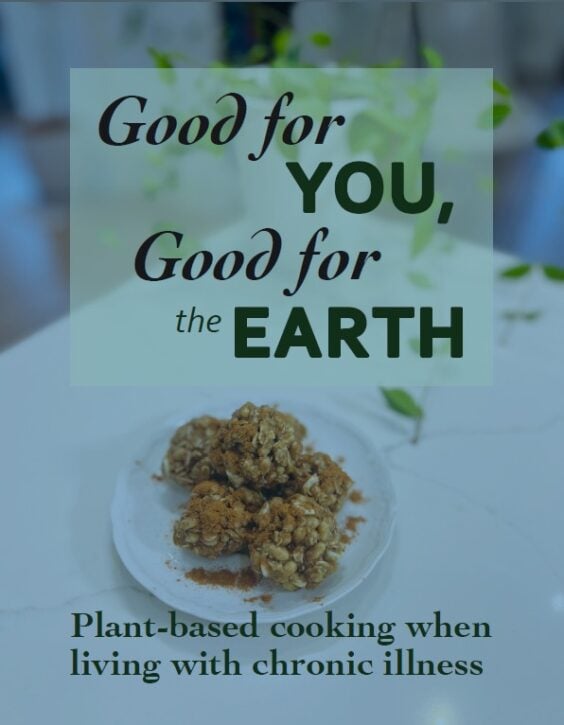
A new recipe guide from Providence Health Care and the Kidney Foundation aims to help. It’s called “Good for You, Good for the Earth.” It gives simple recipes, basic cooking ideas, and flexible meals you can make at home.
These recipes also support people with other chronic conditions, like heart disease and diabetes.
Dani Renouf, a dietitian with Providence, helped create the guide.
“We created this recipe booklet alongside the Kidney Foundation to bridge knowledge and practice,” Dani writes.
The idea behind the book is simple. Food should support your health and the earth. This way of eating looks at how food affects the environment and your health.
In practice, this means eating more plant foods, some animal foods, and less processed foods. It also means using what you have and wasting less.
Dani points to a problem many people know. We buy food and throw some away. She writes that “almost half of all food produced in Canada is lost or wasted – a jaw dropping $58 billion dollars worth every year.”
Help for cooking at home
The recipe guide offers a different way to use that food.
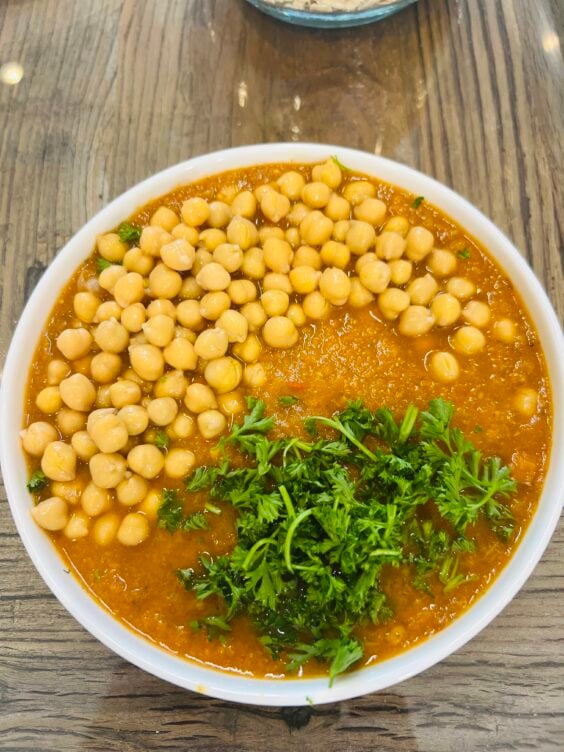
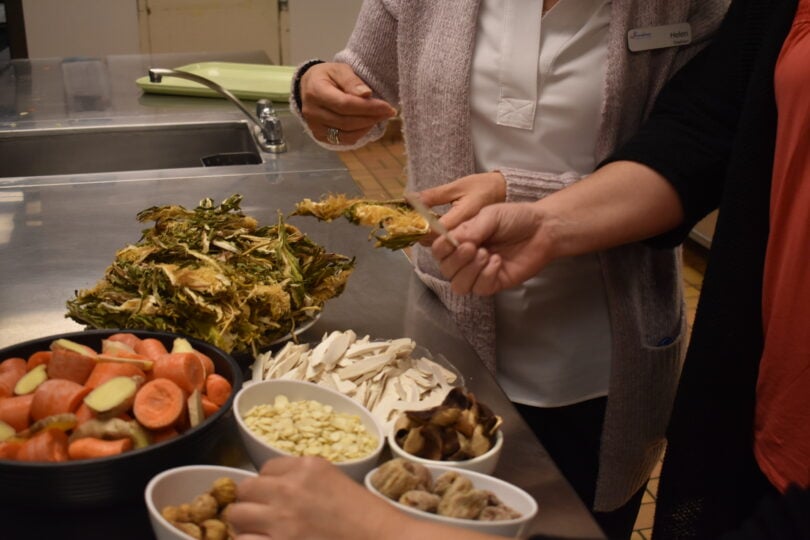
“A veggie scrap soup is a good example,” says Teresa Atkinson from the Kidney Foundation. “You can use vegetable scraps, cook them, blend them into a soup, and add protein.”
Teresa is the project lead for the Kidney Wellness Hub. She develops content and works with patients. She has lived with kidney disease for more than 40 years. She knows food can feel like a test.
“When you’re a kidney patient, it can feel hard at first. There’s a lot to learn. This guide gives people easy recipes they can follow,” she says.
“The recipes are affordable. They use local food and pantry items many people may already have at home,” she says.
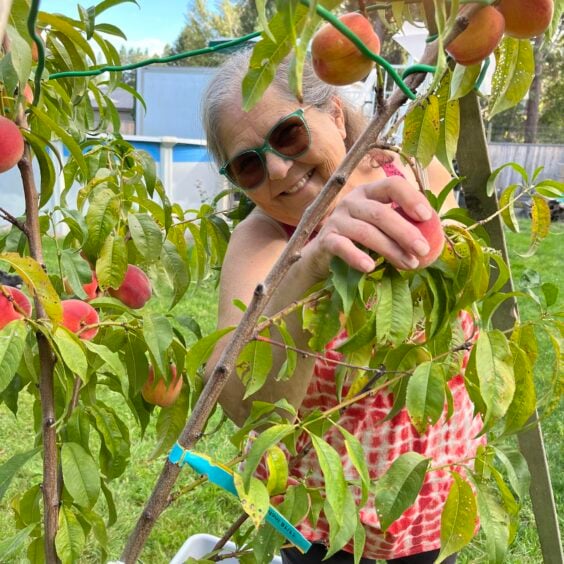
“The guide gives people choices. You can change up the ingredients and still make a meal that supports your health.”
That flexibility helps families. Not everyone eats the same way. One recipe can work for everyone.
“Whole foods are easier for the kidneys to process than processed foods,” she says. “There is a difference between whole plant-based food and processed plant-based food. You need to read labels to find out what ingredients are included.”
Some packaged foods contain added phosphate or potassium. These can be risky if you have to manage them on a kidney diet. Eating too much or too little can seriously affect your health and wellbeing.
“Cooking at home gives you more control,” Teresa says. “You can choose the ingredients, like how much salt goes into your meal and what goes into your body.”
Start with small food changes
For Tamara, that control helped her make changes over time.
“To someone who feels unsure about changing how they eat, I would say don’t do it all at once,” she says. “You can have beef and beans, or tofu with another protein source. Start with small changes.” This advice can help many people who live with long-term health conditions.
She likes that the recipes feel flexible.
“The recipes give you a good base. You can add your own flavours, sauces, and family traditions,” she says.
Tamara has stayed at the same stage of kidney disease for years.
“I’ve stayed stable at the same stage since 2015. People ask me what I’m doing. I tell them I’m eating plants. I could ignore my kidney disease, or I could take a real interest in it. Taking an interest helped me.”
That is a value of the new guide. It helps answer one daily question.
What can I make today?
You can view the full recipe guide and watch short cooking videos at kidneywellnesshub.ca/good4u-good4earth.
Story by Marcelo Dominguez, Providence Health Care