Dianne Reyes had a lot on her mind before doctors found a tumour in her stomach.
“I was under a lot of stress,” she says. “I was caring for my mother during her final years with dementia, coping with my sister’s death, and dealing with pressure at work.” She often had stomach pain but thought stress and food choices might be causing it.
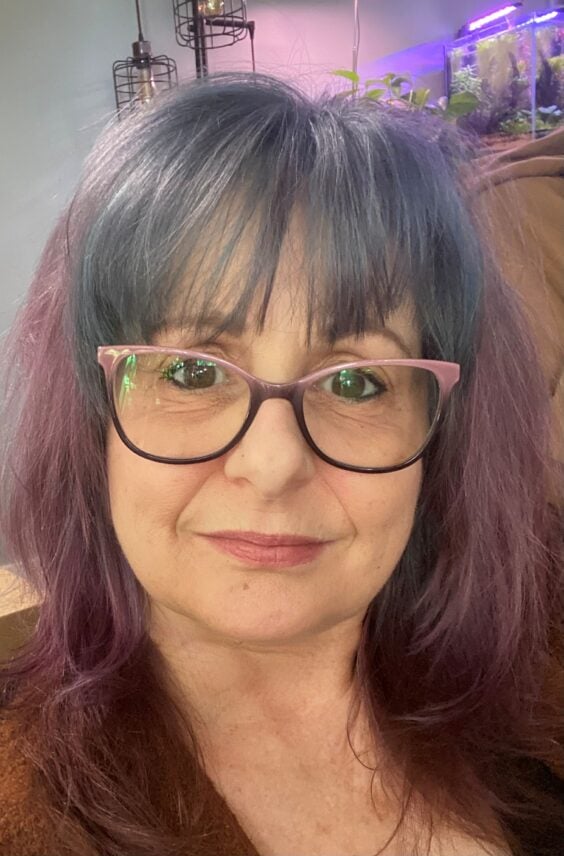
In June 2024, Dianne went for an ultrasound because she was getting frequent bladder infections. The next day, doctors diagnosed her with mantle cell lymphoma, a type of blood cancer. During those tests, they also found a small tumour in her stomach.
“I learned the stomach tumour was small and inactive, but doctors told me it could become cancerous and spread if it grew,” she says.
Focusing on the biggest threat
Doctors focused first on the lymphoma because it posed the most immediate threat. Dianne started chemotherapy in September 2024 and later received a stem cell transplant. Treatment was difficult. She experienced severe vertigo, abdominal pain, and side effects that affected her mouth, stomach, and digestive system.
She put concerns about her stomach tumour aside while she worked through cancer treatment. Once her lymphoma was under control, doctors could turn their attention to it.
A less invasive option
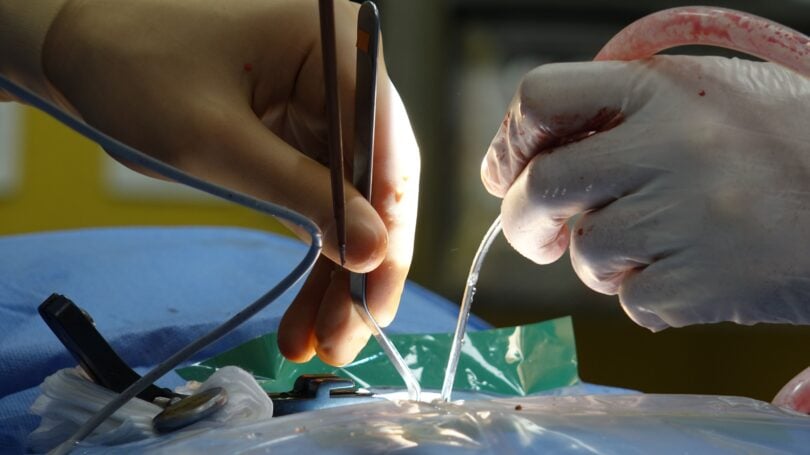
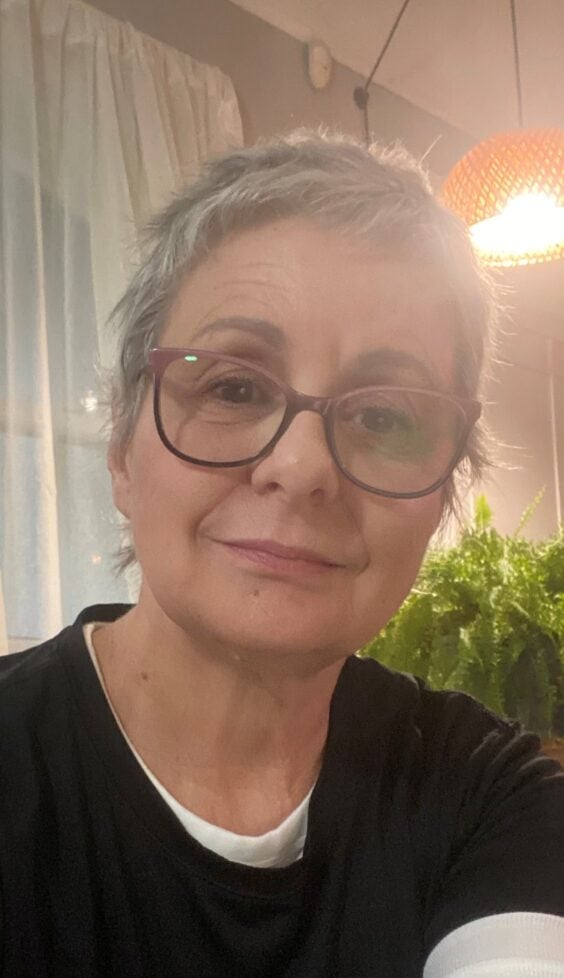
In March 2026, Dr. Eric Lam and his team at St. Paul’s Hospital removed the tumour using an advanced endoscopic technique known as a full thickness resection. Instead of making large incisions, doctors used an endoscope, a thin flexible tube with a camera and light, to reach the tumour from inside the stomach.
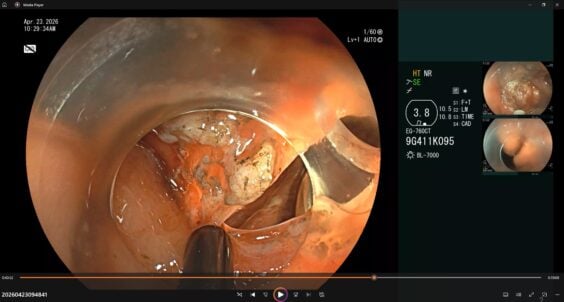
The goal was to remove the tumour while keeping as much healthy stomach tissue as possible.
With standard surgery, doctors often remove the tumour along with a larger section of surrounding, healthy tissue. That approach can affect how the stomach works. The newer technique allows doctors to target the tumour more precisely.
Some stomach tumours grow deep inside the stomach wall, which makes them harder to remove.
Taking them out can leave an opening in the stomach. The team planned for that possibility and closed the opening from inside the stomach during the procedure.
“This was the first time our team performed this procedure at St. Paul’s Hospital,” says Dr. Lam. “After speaking with colleagues across the country, we believe it was also the first full thickness endoscopic stomach resection performed in B.C. and Western Canada.”
Teamwork behind the procedure
The procedure relied on close teamwork between doctors, nurses, and technical staff.
“The surgeon watches the outside of the stomach while I remove the tumour from the inside,” says Dr. Lam.
Dr. Emile Woo, a surgeon at Mount Saint Joseph’s Hospital, monitored for problems such as bleeding or leaks. Once the tumour was removed and the opening closed, Dr. Woo performed a leak test to confirm the repair was secure.
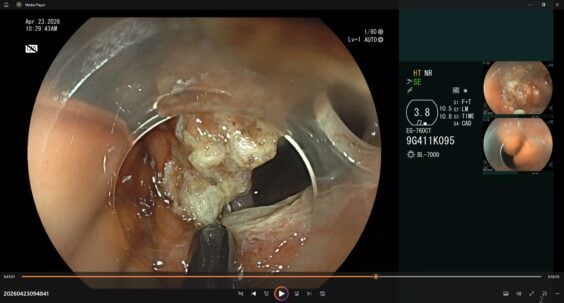
“With this endoscopic method, we remove the tumour while preserving more of the stomach,” says Dr. Lam. “That means we remove less healthy stomach tissue.”
This is important because the stomach plays an important role in digestion. Keeping more healthy tissue may help patients maintain normal stomach function after treatment.
Why patients may benefit
Dr. Lam believes the procedure could offer another option for patients with small stomach tumours.
“Patients may choose removal instead of returning every year for an endoscopic ultrasound to monitor the size. Removing the tumour can give patients peace of mind because the tumour has been taken out.”
Recovery is another potential benefit.
“A patient may be able to go home on the same day after this type of endoscopic treatment,” says Dr. Lam. “We kept our first patient overnight as a safety measure, and she had no problems.”
Patients who undergo standard laparoscopic surgery often stay in hospital for two days or longer. This new approach may reduce pain and shorten recovery time.
The procedure is the result of years of training and preparation. Dr. Lam and other physicians learned the technique in Japan, where it has been used for several years.
“Our training in Japan gave us the knowledge and experience needed to bring this procedure to St. Paul’s,” he says.
“The nurses and technical staff in the GI Clinic also made this procedure possible, and their skill deserves recognition.”
Today, St. Paul’s Hospital follows about 10 to 15 patients each month with small stomach tumours who may be candidates for this treatment.

A quick recovery
For Dianne, the outcome was better than she expected.
“The surgery was a success. If I had ten thumbs, I would give it ten thumbs up. I spent one day recovering in hospital, went home the next day, and returned to work about a week later,” she says.
After surgery, she felt full quickly for about two weeks. That issue resolved on its own and her eating returned to normal.
Today, Dianne’s lymphoma is in remission, her blood test results are strong, and she continues to receive immunotherapy. She is also grateful for the support of her husband, four children, grandchild, friends, and community throughout her treatment journey.
Looking ahead
Dr. Lam hopes the procedure will continue to evolve.
“Our goal is to perform the full procedure through the endoscope without making large cuts on the outside of the body. As our experience grows, this could become an incision-free procedure for some patients.”
For patients living with a small stomach tumour, that future may already be closer than they think.
Story by Marcelo Dominguez, Providence Health Care