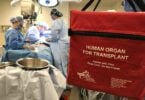
Providence Health Care (PHC) is evaluating minimum Nurse-to-Patient Ratios (mNPR). Early results provide a first look at how nurses are experiencing this significant change in staffing.
What nurses told us
Three out of four nurses surveyed said they planned to stay in their current position for the next year. Almost nine out of 10 said they planned to stay in the nursing profession.
Nurses also rated their work setting at 2.76 out of 4. A score above 2.5 is considered favourable. Only eight per cent indicated they planned to leave their current position, while three per cent indicated they planned to leave the nursing profession.
Providence introduced mNPR across 24 units at St. Paul’s Hospital, Mount Saint Joseph Hospital and Holy Family Hospital. The first units started in February 2025. By September 2026, all 24 units in the first phase were using the ratios.
Having enough nurses remains a challenge
PHC evaluated 18 of those units to learn how the change was working for nurses, other health care staff, and leaders.
Some nurses reported less stress and more time to provide care.
The findings also identified a clear challenge. Staffing levels can only be met when enough nurses are available to work.
What having more time can mean for care
Overall, participants expressed considerable optimism about mNPR, describing positive changes in the nursing practice environment and the potential for the initiative to support recruitment and retention.
One staff member described what that extra time can mean during a shift:
“Staff have the time…to provide the care that they really want to provide.”
Another participant spoke about the difference adequate staffing can make for patient care:
“When we are staffed up, it’s a significant difference… I feel like you can give better care. You have more time to, you know, pick up on cues… There’s more time to critically think… It’s safer.”
Participants strongly supported keeping mNPR in place.
What helped the change go smoothly
Participants also reflected positively on the implementation process itself, including the coordination and communication required to introduce a significant practice change across multiple units.
One participant described the rollout as being “as clear as it could be, given how much they had to coordinate and figure out ahead of time,” adding that the change was “very well received by staff members.”
Collaboration between PHC and the union was another theme, with one participant noting that the mNPR team worked to ensure “the union and the employer were…sending the same messages.”
How Providence evaluated mNPR
From late January to mid-March 2026, PHC used a mixed-methods approach, combining interviews and surveys to build a fuller picture of staff and leader experiences. The evaluation included:
- Structured interviews with 25 operational leaders, including Patient Care Managers and Clinical Nurse Leaders, and 13 direct care nurses and allied health staff.
- A virtual survey for direct care nurses that included the Practice Environment Scale of the Nursing Work Index (PES-NWI), along with questions examining intent to stay and culturally safe nursing practice.
- An optional 10-question survey for leaders to further explore their experiences and perceptions of mNPR implementation.
Qualitative findings from the interviews were analyzed using Interpretive Description, a methodology designed to identify patterns and insights that can be applied to clinical practice.
What the findings can and cannot tell us
The results of the evaluation give Providence an early measure of staff experience after the ratios were introduced. They do not show that the ratios caused nurses to stay or made patient care safer. The evaluation did not test those questions.
The evaluation has resulted in an internal report documenting PHC’s Phase 1 experience and findings. The mNPR team has also developed a manuscript, which is currently under review by a journal.
Join the future of health care in BC
At Providence Health Care, we’re building stronger practice environments where nurses can deliver the care they want to provide. Join our team and help shape the future of nursing in BC.