Earth Day often comes with bold promises. At Providence Health Care, you see proof. Staff are already saving energy and using less fossil fuel through their daily work.
Providence teams across hospitals and care homes in B.C. are cutting pollution, reducing waste, and changing how health care is run through everyday choices. The goal is to care for people while respecting the planet they depend on.
“We see climate action as part of patient care,” said Theresa McElroy, PHC Corporate Director of Strategic Planning and chair of the Planetary Health Steering Committee. “Cleaner air, less waste, and lower emissions support health inside and outside the 18 different facilities we run in the Lower Mainland.”
Staff, medical teams, patients, and community partners lead this work in practical ways. What follows shows how action replaces words.
Buildings that use less energy
Hospitals run all day and night. That makes buildings one of the largest sources of health care emissions.
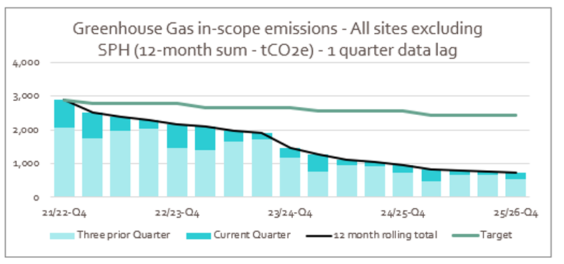
Providence Health Care set a target to cut emissions by 80 per cent across owned and operated facilities. Teams focus on upgrades that reduce energy use without disrupting care.
Facilities teams install electric systems, improve insulation, capture heat that would otherwise escape, and add solar power where possible.
This work brings results people can measure. Providence secured more than $11 million dollars in grants and incentives and reinvested that money into further climate action. Provincial, national, and global groups have recognized the outcome.
“Hospitals often seem difficult to change, but steady upgrades add up fast when you commit to them,” said Tony Munster, Providence’s executive director of projects, planning, and facilities management.
Waste kept out of landfill
Health care creates large volumes of waste. Providence teams focus on what can be reused, recycled, or avoided altogether.
- In 2025 alone, teams recycled more than 17,000 kilograms of personal protective equipment. That material now lives on as outdoor benches and planters.
- Another pilot diverted almost 6,000 kilograms of IV bag PVC plastic from biohazard bins and landfill. The project marked a first of its kind for Western Canada.
- Nearly 10,000 kilograms of furniture and materials found new life through a partnership with social enterprise CleanStart.
- With the Binners Project, community partners sorted over 67,000 kilograms of waste. Almost 80 per cent avoided landfill. That work later received a national social procurement award.
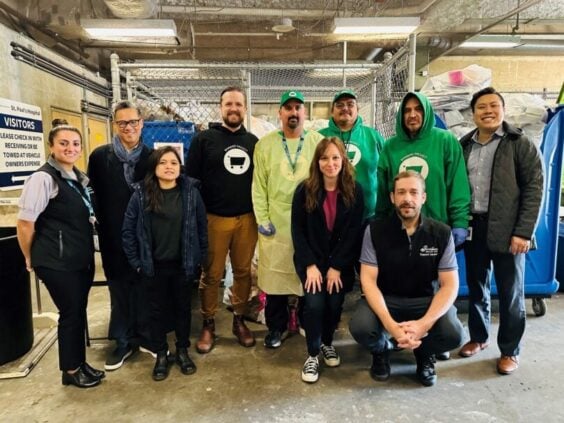
“Waste reduction is about people as much as systems,” said Tony. “You succeed when everyone sees their role.”
Cleaner daily operations
Behind the scenes work often delivers the fastest gains.
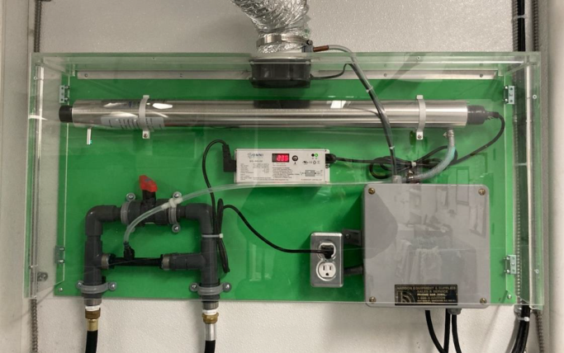
Laundry operations now rely on ozone systems that cut hot water use and reduce chemicals. Microfiber mops weigh half a pound instead of 10. Staff experience fewer injuries and move faster between rooms.
Teams also use drones for window cleaning and autonomous floor machines for routine tasks. Staff spend more time on high-touch spaces where people need them most.
“All of these changes support safety for everyone on site,” said Benson Low, PHC director of Environmental Services. “You use fewer resources and face fewer risks, which helps you stay focused on patients.”
Nature returns to hospital grounds
Hospital grounds shape how places feel and how land functions.
Providence sites now include 50 new trees planted through the Trees for Health campaign. Staff and community members took part in the planting.
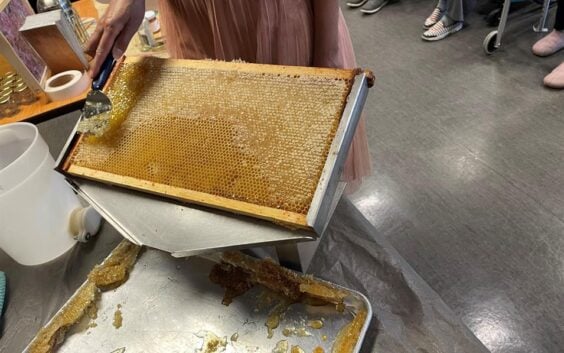
Traditional medicinal gardens continue to grow in partnership with the Indigenous Wellness and Reconciliation team. Beehives operate at Holy Family Hospital and support local pollinators.
Cleaner ways to get to work
Transportation remains one of the largest sources of emissions linked to health care.
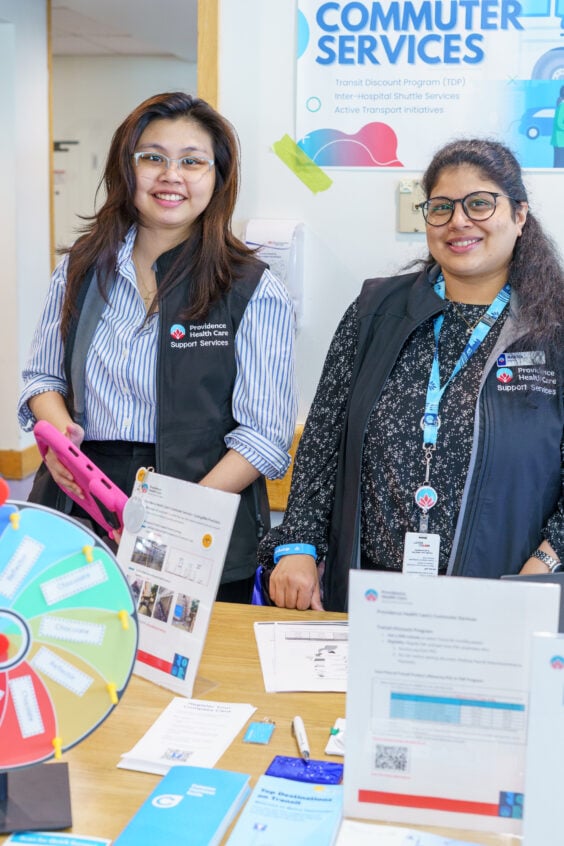
Providence offers 50 per cent discounted transit, car-sharing and carpool programs, bike storage, and incentives for low emission travel. Staff use these options at rates that already surpass 2030 targets.
The new St. Paul’s Hospital will open in 2027 with electric vehicle charging in 10 per cent of parking spaces.
Providence also plans to introduce an electric intra-site truck in the Lower Mainland.
Food systems that waste less
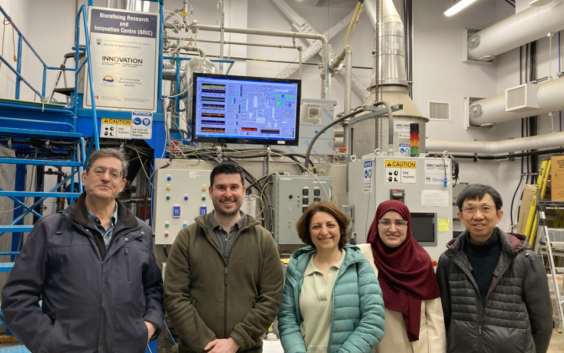
Food services teams continue to cut food waste year after year. A new partnership with the University of British Columbia converts food waste into energy. Providence also signed the Cool Fridge Pledge and strengthens local food purchasing to reduce transport emissions.
People who lead the work
Real change depends on people who keep pushing even when problems feel difficult.
Providence created the Environmental Stewardship Team in 2023. Staff from many roles meet, test ideas, and share results.
The team hosted two sustainability fairs and sparked frontline projects such as reducing glove use and hosting low-impact cooking challenges.
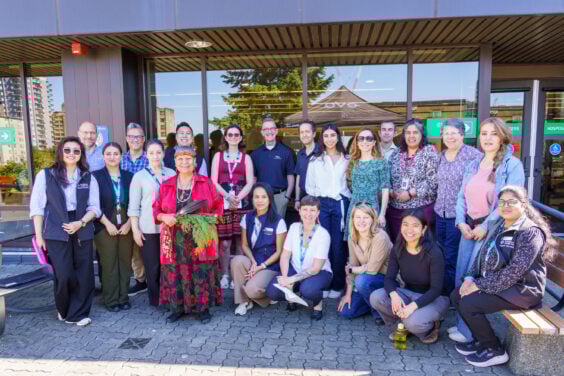
Planetary Health Awards are now entering their third year. Mental health researchers proved that virtual visits reduce travel emissions without reducing care quality. Anesthesia teams showed lower emissions during cardiac surgery by changing techniques. Biomedical engineers introduced shared platforms that reuse medical equipment.
Other projects cut lab-related emissions by more than 98 per cent and reduced inhaler waste across the province.
Clinicians change care
Clinical decisions shape environmental impact every day.
Anesthesiology teams removed the most harmful gases, adopted reusable breathing circuits, and improved nerve block techniques.
Long-term care teams cut unnecessary urine tests by half, and residents experienced less discomfort.
The Anticoagulation Stewardship Program – the first in Canada – reduced inappropriate blood thinner use by more than half in one year. Hospitals across B.C. now adopt the model.
These efforts link evidence-based care with climate-smart practice.

What comes next
Providence launched its 2026 to 2027 Planetary Health Work Plan on April 1. The plan highlights green infrastructure at the new St. Paul’s Hospital and electrification projects at Mount St. Joseph.
“You build progress step-by-step,” said Theresa. “This work continues because health and climate stay connected.”
This Earth Day shows what action looks like. Health care reduces harm when people decide to act and keep going.